









TheSchicht

Author: neo williams

  • 10 Most Common WiFi Hacking Techniques: Understanding Network Vulnerabilities

    10 Most Common WiFi Hacking Techniques: Understanding Network Vulnerabilities

    Did you ever ask yourself the question about just how unprotected your WiFi network is? In this era of digital technology, where our lives are more and more connected to the internet, concerns about WiFi security are not only valid but essential. The matter is quite simple. Your network might be currently under attack and still, you are not aware of that. From high-tech man-in-the-middle intrusions to tricky evil twin networks, hackers’ strategy of breaking the digital barricades is always one step ahead of our defensive measures.

    This very enlightening piece explains the 10 worst hacking tactics that cybercriminals employ in WiFi and breaches networks. The guide is suitable for all types of users, i.e., individuals who are doing an inbound marketing course protecting their personal data up to the IT professional guarding the company’s servers. It is a great starting point to know: • How each of the attacks looks like when it takes place • The major warning signs that will inform you of being attacked • What are the most efficient tactics to employ against these hackers • Recommendations of security experts

    Security of Wi-Fi is not a thing to be taken care of only for private and corporate areas but also for educational institutions. Projects such as the WIFI Film Festival at Washburn University are a perfect example. It is a community-focused event where people come together to create bonds and to get involved in educational and personal growth through secure Internet usage. Festivals serve as a channel for community building and they enrich educational and personal development. Networks combining a large group of people mean that security is not an option rather a necessity. Are you prepared to handle your security on your own? Let’s first be aware of the issues surrounding WiFi safety and then we may start to come up with solutions to protect privacy from cyber bullies. Given that WiFi is considered the most widespread of all kinds of Internet services, still, you should keep in mind that speed and connectivity are only hypothetical, depending on the current situation, such as environmental factors, and that there is no (zero) assurance of continuous or consistent provision of WiFi.

    Introduction to WiFi Hacking

    WiFi hacking is the act of manipulating or getting into a Wi-Fi network without any kind of authorisation, which can jeopardize the safety of people and their data. The attackers use a variety of methods to take advantage of the security flaws inside the wireless routers that aid them in identifying and decoding the Wi-Fi signals. WiFi Alliance provides certain rules which are supposed to be very effective in the context of WiFi hacking, such as the use of safe passwords and the WPA2 encryption which is well known in security protection circles. In addition, WiFi hacking is still a serious concern in public places like coffee shops and local businesses, where these defense measures can be easily surpassed. The Wi-Fi logo is only allowed to be shown on devices that are WiFi Alliance approved and meet specific security and interoperability standards.

    The unauthorised access to a WiFi network may lead to the contract with your Internet Service Provider (ISP) being breached and in turn, legal implications.

    Nowadays, the Android devices are becoming very vulnerable to the WiFi hacking attacks because they get connected to Wi-Fi networks automatically and are also required to comply with the latest security standards.

    To prevent the possibility of WiFi hacking, it is always recommended to use a reliable connection like a virtual private network (VPN) and have your device and software updated all the time. By being aware of the dangers and taking a strong security approach, it is possible to lock your network against intruders and make sure that all the data are not exposed.

    Types of Hacking Techniques

    One of the hacking techniques of Wi-Fi that comprises different aspects is called the brute force attack, the main premise of which is to try numerous passwords, hoping to get the right one. While, on the contrary, the dictionary attack method follows the procedure of selecting a password from a pre-prepared list of the most frequently used keywords. One of the MITM attacks involves capturing and diverting the communication between two parties, thus the hacker can steal information or inject malware into the network. Hackers make use of very simple and easy tricks to turn up the broadcasted SSIDs, which makes it even simpler for them to locate and compromise the networks.

    One of the other ways of hacking is by identifying the vulnerabilities in a wireless router and also social engineering tricks to manipulate victims to show their login credentials. The use of these social engineering tactics is very common when hackers connect to networks. Hence the need to know how your device connects to the Wi-Fi network and to be aware of this privacy invasion. The recommended ways to protect your network from these types of attacks are using strong passwords, keeping your router’s firmware updated, and being very careful when joining to a public Wi-Fi network. With awareness and vigilance, that’s how you can shield your network from these hacking methods.

    Network Weaknesses

    Wi-Fi setups have a natural tendency to different issues that can allow hackers to launch attacks on the connected devices. The hidden node problem happens to be one such problem where the devices are unable to hear each other’s transmissions due to which certain transmission may cause the devices to be disconnected more often. In the face of Wi-Fi Alliance’s efforts to maintain the security of the networks and guarantee numerous security layers such as WPA2 and WPA3, the violators still purge ways to infringe the barriers by means of very powerful instruments and methods such as the monumental packets’ tracking and the password decrypting. But the robustness and security presented by Ethernet are out of the reach of the reliability and error rates that can get low making it more or less susceptible and have lower levels of instability and fewer issues related to the communication process than the wireless connection that is often interrupted or does not deliver the much-needed reliability.

    In case there is a high probability of the mentioned risks, make sure that you never forget to systematically update the firmware of your wireless router and there are strong, and that each device has its unique passwords. Besides, changing the default SSID and password, disabling WPS, and MAC address filtering can all be done to dramatically improve the security of your network.

    Open Wi-Fi hotspots associated with cafes’ and local stores’ networks are the one network type which is especially susceptible to security risks. Network intruders can use these networks for surveillance on what you are doing online. To secure your devices, you can install a virtual private network (VPN) or use a mobile hotspot to establish a protected, encrypted connection to the Internet. An example can be the Xfinity WiFi network with password and WPA2 encryption.

    Even this network is providing a Wi-Fi connection that is not safe apart from the fact it can be encrypted and the password is strong, and therefore users have to be cautious to keep their devices and data secure. By checking the network’s activity for any sign of intrusion and ensuring that your software is always updated, you can prevent security threats and maintain your network’s safety.

    Common Tools of Hacking and Their Corresponding Techniques

    Wireless network attack tools have lately been experiencing radical change, presenting the hacker community with a new attack surface. The result is that criminals now can not only intercept but also manipulate any data transmitted over the Internet. Aircrack-ng and Wi-Fi Pineapple are widely preferred by hackers due to their ability to crack passwords and generate rogue access points. Aircrack-ng suite deals with Wi-Fi network security by using various programmed tools for packet capture and password recovery by means of repeated trials. Whereas Wi-Fi Pineapple is a multifaceted tool and has the capacity to interrupt the passage of the communication between two systems, hence hash a mid-position among pentesters and hackers.

    Techniques such as wardriving and warwalking employ the use of a WiFi-enabled device to snoop for and attack WiFi networks that lack security and are located at public spaces like coffee shops and local businesses. Criminals just drive through the area or walk around with an actual war-driving hardware device while they are scanning for an unsecured network with a weak signal, then they need to break into the wireless network in order to hack it and gain unauthorized access and eavesdrop on all the data that is transmitted.

    The creation of a rogue access point is also a very common ploy. A hacker places a wireless router that is an exact replica of a legitimate network in order to fool users, who mistakenly connect with their devices. As soon as they are connected the hacker may easily snoop on every bit of data going to and fro the network including personal information like passwords and bank card numbers.

    To ensure security and prevent such incidents, the WiFi Alliance has introduced several security features such as WPA2 and WPA3 encryption. However, that’s not an obstacle for an attacker to use the brute-force method and get the password easily, especially for the network with a weak password. So it’s a matter of the eligibility of the password and the always latest version of the router’s firmware that are the real proof of authentication.

    VPN is a new Internet technology that emerged in the era of the internet to improve data security and provide a way to avoid data being intercepted by hackers online. One of the best and at the same time simplest ways to achieve that is by using a Virtual Private Network which encrypts the information you send and receive. To put it simply using a VPN will encrypt the data that is sent from your device to the internet and give you an extra security layer.

    If WiFi is the entry point, a hacker could steal your data and mess with the entire network, violent attacks are a possibility. Furthermore, another way they might get hold of the necessary details to carry out the attacks is by manipulating people. On the other hand, users will benefit from being very careful about the dangers associated with it and taking measures to stop it from happening with their WiFi network and gadgets. Besides, checking also the access restrictions of your WiFi service and reading and obeying the regulations in the terms of service can save you from being a victim of the potential service limiting.

    Key Takeaways:

    • Some of the methods cybercriminals employ are evil twin attacks and brute force attempts to infiltrate wireless network security for the purpose of stealing sensitive information
    • When hackers are gaining unauthorized access, they typically use open rogue wireless access points, de-authentication packets, and various ill-willed activities targeting wi-fi-connected devices
    • If you know from verifiable sources that the same safety measures that are implemented in your office are also effective in your home network then definitely it is recommended that you take them up.
    • An onslaught of network security breaches has been facilitated due to the advent of advanced hacking tools such as the ESP8266 microcontroller and wi-fi security tools
    • To stop malicious actions, the deployment of digital certificates, regular security audits, and the use of hard-to-guess wi-fi passwords as protection strategies is very beneficial
    • It is necessary not only to install WiFi devices via a secure method to prevent hackers from getting access but it is also good for the overall network security

    Man-in-the-Middle (MitM) Attacks

    How MitM Attacks Work

    Man-in-the-Middle (MitM) attacks are directed against users who are approached by an attacker to be part of a conversation with the attacker as an intermediary. The attacker captures and alters data as it flows between devices and networks, and this is done typically without the knowledge of the affected parties who are communicating. Cybercriminals exploit this malicious approach to get hold of data being transferred through the network.

    Mesh networks, which enable easy sharing of the internet between multiple devices without affecting the bandwidth, are the technology behind whole home WiFi systems. They can also be the target of MitM attacks.

    As soon as you are connecting to a WiFi network, particularly a public one, a hacker has the opportunity to get between your device and the network and stay unnoticed. This way, they steal information of different kinds from communication that you never imagine is not private, like usernames and passwords, credit card details, and more.

    Man-in-the-Middle Attack Scenarios

    Just imagine that you decide to access a coffee shop’s WiFi network and there is a person (attacker) who is in the same area very close to you and they create a fake network with the same name. That fake network is discovered by your device and it is connected to the network without your knowledge. This will result in the attacker being able to keep an eye on all the activities that you carry out online. Your social media logins, email communications, and bank transactions will be thus exposed and will be intercepted.

    In the majority of the cases, laptops are the devices that are mostly used by people at home, and in the public. As they are themselves creating Wi-Fi networks for their internet access and connectivity, they are certainly the most vulnerable. The people who are at most at risk are students for the reason that they regularly use free WiFi networks and they are the ones who take extra care to be protected from the attacks.

    While you are doing online shopping, the possibility of the fact that you may face this problem is also very high. In this scenario, your computer is directed to the site you want by the attacker. There, the attacker inputs your payment details into his database for doing some other malicious things.

    The complexity, transiency, and stealthiness of these attacks make them very difficult to be spotted. Infected computers maintain a regular network connection with the attacker’s device which makes it invisible to network administrators. Moreover, they can then keep changing the contents of the packet you are to receive or, even worse, they can flush out your access when they like.

    In short, a Man-in-the-Middle attack stealthily intercepts network communication and fetches sensitive data in a way that the user and the intended destination are not aware of. This is a major threat to network security

    Social Engineering Attacks

    Social engineering attacks are a category of cyber threats that take advantage of the people in a Wi-Fi network rather than the technology. These are typically executed by getting people to unwittingly reveal their personal information like passwords or financial data or to execute certain activities that threaten the security of the network.

    Understanding Social Engineering

    Physical social engineering attacks are varied and consist mainly of methods like phishing, pretexting, baiting, etc. Phishing is the act of sending false emails or messages that are masked to appear to be coming from a trusted source, like a bank or internet service provider, in order to make the recipient unwittingly reveal sensitive information. Pretexting is a method where a fabricated story or scenario is used to trick the victim into thinking that the attacker is trustworthy, and hence they might reveal sensitive information. Baiting is where the adversary would abandon malware-infected gadgets or storage media such as a USB drive at a location and be found and then used by unsuspecting individuals.

    Examples and Prevention

    For instance, a fake email from a hacker to a user, masquerading as the user’s internet service provider, and requesting the user to reset their password, is a typical example of social engineering attack. The email might contain a link to a fake website that looks like the real one and then prompt the user to enter their login credentials. To defend against social engineering attacks, the most basic action is to be wary while dealing with unsolicited emails or messages, and the norm of never revealing sensitive information to unidentified individuals shall be upheld always. What is more, timely update the software and operating systems and use robust passwords and the two-factor authentication method is also very important. By being cognizant of the potential social engineering attack and employing the necessary prevention measures, both individuals and organizations can contribute significantly to safeguard their Wi-Fi networks and sensitive information from cyber threats.

    Rogue Access Points

    Commonly known as unauthorized access points, rogue access points represent Wi-Fi access points that have been installed on a network without the knowledge or consent of the network administrator. The network is at a severe security risk when such access points are operated because they can be used to retrieve valuable data, inject malware, and carry out various types of cyber attacks.

    Locating Rogue Access Points

    Network administrators can apply specialized software or hardware tools to the network and thus be successful in finding out rogue access points. Also, network administrators can have a look at network activity to check if anything strange is happening and thus be able to detect the problem no matter if the change is traffic or the device. Administrators are then left with regular security checks, such as network audits to find and remove all rogue access points among other preventive measures. Following such precautions, enterprises can avert WiFi location risks effected by rogue access points, as well as their data’s protection and security.

    Securing Wireless Routers

    Routinely securing your wireless router can not only prevent WiFi hacking but also stop uninvited guests from using your network. It is essential that you change the default password and settings, enable WPA2, and also create a guest network welcoming visitors. Furthermore, the firmware of your router should be updated from time to time as manufacturers usually include security patches and other updates in newer versions. In addition, SSID broadcast disable polishes the concept of mad security as the hiding of SSID serves as a deterrent to casual users. Despite that fact, in 100% of the cases it hardly helps in shielding against serious attackers.

    When setting up a local network, it’s a wise idea to utilise a router with built-in security features like protection against intrusion and firewalls. Utilising these measures will help prevent your local area network (LAN) from being hacked while enabling a stronger internet signal and a more secure connection to computers. A range extender may also be used to boost the signal while maintaining all the security functionalities. You need to understand that a securely routed router is the first important building block when creating a sustainable WiFi network.

    WiFi Alliance Guidelines

    According to the Wi-Fi Alliance, it has formulated criteria for the securement of Wi-Fi networks. First and foremost, using strong passwords and WPA2 encryption are mandatory. For further protection, they also advise updating the router firmware regularly and when connecting to public Wi-Fi networks, using a secure connection, such as a VPN. Provided as well, the Wi-Fi Alliance proposes applying a network access control system to control and manage the devices in your network.

    It follows that if the points mentioned above are adhered to, you can successfully control that your Wi-Fi network remains secure and no anonymous interventions occur. Furthermore, Wi-Fi Alliance is available with a variety of communication strategies and protection tools to help individuals and companies shield their Wi-Fi networks and avoid hacking. Being educated and complying with these security practices is the foundation for a stable networking environment.

    Identifying Potential Security Threats

    Identifying and eliminating potential security threats is vital for Wi-Fi networks to sustain their security and integrity. Among the common threats are hacking, eavesdropping, and various forms of malware attacks, which can endanger the security of the connected devices and lead to the disclosure of sensitive data.

    In order to identify the potential security threats, the first task is to observe your network for any unusual activity, such as abnormal login attempts or unanticipated data transfers. Protection programs, for instance, antivirus and firewall, are capable of detecting and stopping potential threats. The regular update of your wireless router’s firmware and the use of strong, unique passwords for all the connected devices are the two vital practices of preventing security breaches.

    Moreover, your Wi-Fi network can be analyzed with the help of some tools which are network scanners and intrusion detection systems. The Wi-Fi Alliance is making available a variety of resources and guidelines which include WPA2 and WPA3 as advisable encryption types for resolving and avoiding the security threats.

    Another remark is that educating and empowering the end-users with the right knowledge and good money practices is key. Advise users to use strong passwords that they can remember, keep their software up-to-date, and actively participate in network security monitoring. It is only through teamwork between users and network administrators the connection between devices and data will be safe via the Wi-Fi network.

    Preventing Hacking Incidents

    The foundation of preventing hacking incidents is the security of your wireless router. In other words, the first step is to change some default settings and the password which is often well-known, hence, more easily exploited by hackers. One other crucial thing is for you to come up with a strong and unique password for your WiFi network so as to avoid unauthorized access. In addition to that, it is significant to start WPA2 or WPA3 encryption because it can actually be a guarantee of the security of your network and the data.

    Monitoring your network on a regular basis for any suspective activities can help you identify likely threats at an earlier stage. Security checks and updates conducted annually are a pillar of the whole security system and thus essential to provide ongoing protection. The use of the most recent secure patches for all the devices you use is very important as this will help you keep the known vulnerabilities (and the hackers) away. A Virtual Private Network (VPN) can be also deployed to better secure your internet traffic by adding another layer of encryption making it more difficult for your data to be intercepted by hackers.

    The introduction of a network security system such as a firewall can be a good option as it prevents unauthorized access to your network, hence securing your data. The firewall normally is responsible to block unauthorized access and any intrusion by monitoring the incoming and outgoing traffic. The users should also be educated on the importance of network security as well as the dangers of hacking. It should also be recommended that they use challenging passwords, keep away from unsecured networks, and be wary of phishing attacks.

    Regular security audits and testing for penetration can prevent and identify any network weak points that can be taken advantage of by a hacker. These tests involve hacking simulation in order to identify and rectify weaknesses. Furthermore, two-factor authentication (2FA) which is an added layer of security can be used to ensure that users only get access to the system after they have provided two forms of identification.

    Following these steps gives you the opportunity to protect your WiFi network and devices from hackers and thus have a safe and secure connection and keep your personal information away from being exploited.

    Advanced Protection Strategies

    Network Segmentation and Monitoring

    Network segmentation is the most critical security strategy for digital networks that you can ensure the wellness of your wireless network, dividing it into different zones. By isolating data and resources into different networks for different purposes, the attack surface available to potential intruders is considerably decreased.

    Begin by ensuring there is a secure isolation of guest networks from your primary business network to stop any potential attacks on your internal main servers. It’s a good decision to build a separate space so that people can only access the internet, but no invasion of privacy of sensible data will occur. Go to the next step and apply Virtual LANs (VLANs) that can keep the different departments or device types separated. This solution will help you greatly with the internal security of the company.

    You should never underestimate the importance of monitoring your network regularly for a quick warning of any suspicious activity. Ensuring that the monitoring process covers all the areas is equally important for getting a complete view of security status. When the monitoring is done you also need to set up intrusion detection systems (IDS) to automatically identify any unusual activities.

    Authentication and Encryption

    The implementation of strong authentication methods is the stepping stone for wireless network security. For example, multi-factor authentication (MFA) all over the access points assures that your network is accessed only by authorized people. Furthermore, digital certificates give the second layer of security by giving proof of both the users’ and devices’ identities.

    The security of SSID is fundamentally important when it comes to unauthorized access prevention. Besides, contemporary encryption protocols such as WPA3 should be your fundamental precondition. The protocol in question makes a greater effort password cracking attempts too hard to be completed and ensures the content is transmitted with stronger encryption. Think of using digital certificates rather than traditional passwords to create an authentication system.

    When Depicting an organization, one of the sensible approaches is to introduce RADIUS servers for a centralized management network system. It is very efficient since the user can easily manage their precise access control plan and it also simplifies the task of dismissing those who abuse the facility. Regular changes of network keys and certificates hold a strong network security posture.

    Together with regular security checks, monitor, and fix all potential vulnerabilities to keep the system safe. Additionally, make sure you keep security protocols up-to-date as well as document them so that they can be examined and adjusted timely.

    💡 Key Takeaway: It is recommended to implement network segmentation with efficient authentication methods enabled by digital certification and modern encryption standards. With this, you will have an additional security layer to prevent and deal with potential network breaches.

    Supporting a Network Security Hack

    When hacking suspicion sets in your head an uninvited guest has been using your Wi-Fi, you are supposed to act immediately and then take the right steps to minimize and counter the damage. Start by changing the passwords and updating the router firmware. Switch on the security features such as WPA3 encryption for better network protection. Do a virus scan on the attached devices to make sure they are secure. It is also essential to monitor your network for any suspicious activities as well as keep a record of the incidents that occur. The effectiveness of security measures is determined by the changes in dangers and thus should be regularly reviewed and amended.

    Be careful while choosing the networks to connect to, as your device might unawares automatically connect to unsecured networks and lead to a possible data security threat.

    In certain circumstances, it might be advisable to communicate with your internet provider who could give you some guidance, or contact a professional in the field of security to assist you in handling the event. With rapidity and adherence to proper procedures, you will reduce the impact of a hacking incident and decrease your chances of future attacks. Notice, one-time use is also permitted in case the service is not satisfying, but taking the first steps toward network security is always more important.

    Conclusion

    Exploring these malicious WiFi hacking techniques clearly exposes the fact that network security is not a luxury but a necessity. Through getting to know the vulnerabilities, ranging from evil twin attacks to brute force attempts, one will be able to protect themselves from cybercriminals who are continuously varying their methods. A reliable resource to ensure the Wi-Fi safety is not based on a single solution but rather on protective layers of security. Discussing these security measures viz. using robust passwords, activating the WPA3 encryption, regularly updating the router’s firmware, and at the same time, being on the look-out for suspicious network activities can assist you in reducing your risk of falling into the trap to a great extent. Network security maintenance not only depends on efficient technology but a decisive and vigilant human.

    Environmental factors and network congestion can be reasons for fluctuations in Wi-Fi performance, so do not be surprised if you get inconsistent speeds in the whole service area. There are several ways that users can use to secure their networks like positioning the router strategically, using network monitoring tools, and configuring advanced security settings.

    Prevent, prepare, and act now to guarantee the safety of your digital empire. Start with a security check-up on the home or office network. Replace those default passwords, check your security protocols, and consider using a wireless network security solution. In the present era of technical advances, the protection of your sensitive information and personal data becomes a critical issue due to the omnipresence of very sophisticated cyber threats.

    Future of Network Security

    AI and machine learning is set to be a key factor in the future of network security. AI and machine learning can process massive amounts of data, thus enabling real-time identification and prevention of malicious attacks. The systems driven by AI can pinpoint standard events and also spot offbeat incidents that can lead to data breach, thus ensuring a faster and more effective reaction.

    With the increase in number of IoT devices, the protection of WiFi networks will be a primary factor while robust security measures will ensure the security of these devices. Each IoT device connected to the internet could be a possible route for a hacker thus necessitating the application of security protocols to all devices regarding the matter.

    Furthermore, next-generation wireless technologies like Wi-Fi 6 could be a good solution to provide both faster and more secure connections. The key aspects of the 6th generation Wi-Fi standard are the provision of high-quality connections on congested networks and the existence of safety features that hackers can hardly exploit. The significant milestones and progress of WiFi security are conventionally unveiled during the month of June, fairly indicating the necessity of being aware of them.

    Cloud-based security platforms are predicted to be on the front row in near future to reflect the most wanted attributes of security in a faster, more efficient, and more flexible way. These platforms allow organizations to have security management at a central point, thus they can do easier updates of the security features and better monitor threats over the multiple locations.

    Security over wireless networks will have a more meaningfulity where more and more devices and data are connected to WiFi networks. Such devices will require robust security measures (e.g., firewalls or intrusion detection systems). Security detection will depend on behavioral biometric mechanisms such as facial recognition and finger scanning, which will become popular, and those will provide an extra layer of security.

    The creation of secure communication protocols, for example, quantum cryptography, that will make sure of unbreakable encryption, thus keeping the data secure and untouchable. The future of network security will need a proactive approach, with regular security audits and penetration testing to stay ahead of emerging threats.

    One way to prevent the loss of your Wi-Fi network security in the future is to constantly keep you updated about the newest technologies and threats.

    FAQs

    Can WiFi hackers steal my information if I’m using a VPN?

    Even though VPN adds an additional layer of security by encoding your data, experienced hackers still have a chance to spy on your data. Sensitive information can still be compromised through a hacked Wi-Fi network even if VPN creates new data packets for each delivered message, in this way, the content becomes unreadable for eavesdroppers. Some VPN services are free of charge, but they usually have some limitations like data caps and slower speeds. The performance of a VPN may differ over time; hence, it’s important to periodically update the VPN software for security reasons. Using VPN, along with other protective measures like WPA3 encryption and strong passwords, can give you a higher level of protection of your sensitive information.

    How far can WiFi hackers be from my network to attempt an attack?

    Typically, Wi-Fi signals have an extension of 150-300 feet outdoors. However, hackers can reach such signals with the help of special antennas, from the places that are far away. In these extreme conditions, additional factors like the choice of equipment, configuration, or environmental conditions may play a role in weakening the signals. Adjusting the transmission power of your router and implementing safe browsing practices can significantly enhance the security of your wireless network.

    Are public WiFi networks at cafes and airports more vulnerable to hacking?

    Albeit the fact that public Wi-Fis are the primary target of most hacking activities nowadays due to their open nature, lack of proper security protocols, and more, there is a way out: one needs to be very careful about the networks he/she uses, so as to keep his personal data safe. Definitely, the hackers’ major target are these networks; they use evil twin attacks and rogue wireless access points to steal personal data and credentials.

    Can changing my WiFi password regularly prevent hacking attempts?

    Certainly, changing your password on a regular basis offers a great solution to brute force attacks, and at the same time, it minimizes the possibility of unauthorized access. Nonetheless, a more efficient solution to data protection may be the use of advanced protocols in addition to regular changes of the password. Make sure to apply such a practice with MAC address filtering, network monitoring, and the latest firmware update of your router for the complete security of your wireless network.

    How can I tell if someone is currently hacking my WiFi network?

    Having slower the usual internet speed, presence of strange devices in your network, configuration settings of the router being changed, and network activity that was unexpected are the telltale signs of someone getting unauthorized access. One of the main symptoms of such problems is the one mentioned and it is indicative that there is an attempt to hack the system, which must be solved as soon as possible. Finding the right WiFi security tools and checking your router’s logs will prove to be a helpful way to discover threats and breaches. Monitor your network devices constantly to avoid any form of security breach.

    What should I do immediately if I suspect my WiFi network has been hacked?

    First of all, it would be beneficial to instantly update both your WiFi password and admin credentials. Also, check for any existing blockage and, if necessary, add new ones. Then, go through your network devices and see if there are any unfamiliar ones. Secondly, once you are sure that you have unauthorized access, immediately update your router’s firmware, if it’s possible use WPA3 encryption as additional security, and finally, you can, if needed, factory reset your router. Regularly monitor your network devices as a preventive measure.

    Best Practices for Network Security

    One should not overlook the importance of security when setting up a Wi-Fi network – a very important issue in our world based on mutual connections and data exchange. You’re able to considerably lower the chances of unauthorized access and data breaches by sticking to the best practices outlined by the Wi-Fi Alliance. Please find below the most important measures to protect your network:

    • Change Default Passwords and Settings: Your first defense of the Wi-Fi network is to change the default password and settings of the wireless router. Default credentials are widely known to hackers and are, therefore, easily exploitable. Set a strong and one-of-a-kind password for your Wi-Fi network to make it unapproachable by unauthorized users.
    • Enable WPA2 or WPA3 Encryption: Always make sure that your router is equipped with WPA2 or WPA3 encryption, these being the most secure protocols in existence. With this encryption method, your network data is safe from any kind of spying since the information is practically unbreakable and undetectable through the network.
    • Regularly Update Firmware and Software: The importance of keeping the router’s firmware current as well as the software of connected devices is vital. It is common for the manufacturers to solve any security loopholes by introducing regular updates. Regularly upgraded devices prevent the network from being a victim of the newest threats.
    • Use a VPN for Public Wi-Fi: A virtual private network (VPN) should be your pick for securing your data when you are using untrusted public Wi-Fi spots. Be it coffee shops’ or local businesses’ Wi-Fi hotspots, your data will have a safe pass through the internet via a VPN. All of your data will be encrypted over these widely exposed networks thus excluding the option to sneak a peek at someone’s data through eavesdropping.
    • Use a Network with a Mesh System: Using a mesh network system will help you get better coverage and a stronger signal. Mesh networks lower traffic and interference, thus providing a more stable and secure connection throughout your premises.
    • Go for a Special and Safe SSID: Do not use default SSIDs (network names) as these can be easily spotted and can make your router easily identified by attackers. That is why the proper action would be to choose a unique SSID and if possible, turn off SSID broadcasting to make your network less invisible to hackers.
    • Set Up a Guest Network: Whenever you have guests over, the best thing to do is always set up a guest network. This way you can secure your main network by physically isolating guest devices, and also this reduces the exposure of your information to unauthorized persons.
    • Limit the Number of Devices: Keep the number of devices connecting to your network in control. The hacker’s entry points are minimized in this manner. Create a list of all devices connected to the network to monitor for unauthorized devices.
    • Be Cautious When Sharing an Open Wi-Fi: In any situation where you want to use a service such as Xfinity, it is a requirement to read and agree to the terms and conditions provided. You should be always aware of the security threats and consider a VPN to keep your data secure.
    • Use Network Monitoring Tools: Use the tools offered for network monitoring to keep an eye on every movement of your network. These tools are very effective in identifying the potential dangers and solving them in time. It is also recommended to regularly save and have a prepared response in case of a data safety attack.

    By sticking to the above-mentioned recommendations, your Wi-Fi network will become much more secure and reliable. Regular follow-ups from your end and taking precautions well in advance can be considered as twin strategies which will lead to an unshakable network environment.


  • The More Shit ,The More you eat

    The More Shit ,The More you eat

    The More Sh*t, The More You Eat: How Overconsumption is Ruining Society

    Introduction

    In today’s world, consumption is king. We are drowning in food, media, material possessions, and information. But what happens when we consume too much? Does more always mean better? The provocative phrase “The More Sh*t, The More You Eat” is a metaphor for the toxic cycle of overconsumption in modern society. Whether it’s the food we eat, the content we digest, or the products we buy, we are feeding on things that are slowly poisoning us—physically, mentally, and socially. This article explores the science of overconsumption and its consequences.

    The Science of Overconsumption

    Why Do We Always Want More?

    Humans have an innate drive for more. Psychologists refer to this as hedonic adaptation—our tendency to constantly seek new pleasures, only to quickly become bored and want more. Studies show that our brains release dopamine when we acquire something new, reinforcing the desire to repeat the behavior.

    Marketing and capitalism exploit this mechanism. Companies use psychological tactics to make us crave more, from fast food chains engineering addictive flavors to tech companies designing social media platforms that keep us scrolling endlessly.

    shit
    shit

    The Food Industry: You Are What You Eat

    How Processed Foods Are Designed to Keep You Eating

    Modern food is designed for overconsumption. The rise of processed foods, packed with sugar, salt, and unhealthy fats, triggers pleasure centers in the brain, making us crave more while offering little nutritional value. A study published in Cell Metabolism found that ultra-processed foods lead to greater calorie intake and weight gain compared to whole foods.

    Fast food chains and snack companies invest millions into food engineering to make products hyper-palatable, meaning they override natural satiety signals. As a result, we eat more than we need, leading to obesity, diabetes, and cardiovascular disease.

    The Fake “Healthy” Food Industry

    Even so-called “healthy” products are often misleading. Many diet products, protein bars, and “low-fat” alternatives are filled with artificial sweeteners and chemicals that may have long-term health risks. Research from the Harvard School of Public Health suggests that artificial sweeteners can disrupt metabolism and contribute to insulin resistance.

    Information Overload: The Digital Consumption Crisis

    The Science of Cognitive Overload

    Just like with food, we are bombarded with excessive information every day. From 24/7 news cycles to social media feeds, we are consuming more content than our brains can handle. Research from the University of California, San Diego, suggests that an average person processes the equivalent of 34 gigabytes of information daily, much more than our ancestors ever did.

    The Addictive Nature of Digital Media

    Social media platforms are engineered to be addictive. Studies have shown that scrolling through social media releases dopamine, similar to the effects of gambling. This can lead to increased stress, anxiety, and even depression. The World Health Organization (WHO) has even classified digital addiction as a public health concern.

    Misinformation is another side effect of information overload. The more we consume, the harder it becomes to distinguish truth from lies. A 2021 MIT study found that false news spreads six times faster than the truth. This has serious implications for politics, public health, and global stability.

    Materialism and the Illusion of Happiness

    Does Buying More Make Us Happier?

    The short answer: No. Studies on consumer psychology show that material possessions do not increase long-term happiness. The more we buy, the less satisfaction we get from each new purchase. This phenomenon, known as the paradox of choice, makes us feel overwhelmed rather than fulfilled.

    Debt and Consumer Slavery

    The credit industry thrives on overconsumption. The easier it is to buy things on credit, the deeper people fall into debt traps. Research from the Federal Reserve suggests that the average American carries over $6,000 in credit card debt. This cycle benefits corporations but leaves individuals financially stressed and vulnerable.

    The Environmental Consequences of Overconsumption

    Waste and Pollution

    The United Nations Environmental Program (UNEP) reports that humans produce over 2 billion tons of waste annually. A large portion of this comes from single-use plastics, electronic waste, and fast fashion. The more we consume, the more we throw away, contributing to landfill overflow and ocean pollution.

    Climate Change and Resource Depletion

    Overconsumption directly contributes to climate change. The fashion industry alone is responsible for 10% of global carbon emissions, according to the Ellen MacArthur Foundation. Similarly, industrial farming for mass food production leads to deforestation and excessive water use.

    Who Benefits? The System Behind the Madness

    Corporations, advertisers, and even governments benefit from a society hooked on consumption. The more people consume, the more profits they generate. The economy is structured in a way that rewards excess spending rather than sustainability.

    The food industry profits from selling junk food. The pharmaceutical industry profits from treating the diseases caused by that junk food. Tech companies profit from keeping us addicted to digital content. The banking sector profits from keeping us in debt. It’s a system designed to make us sick, distracted, and financially enslaved.

    Breaking Free: How to Escape the Consumption Trap

    Mindfulness and Conscious Consumption

    1. Be aware of marketing tactics – Recognize when companies are manipulating you into wanting something you don’t need.
    2. Practice minimalism – Studies show that owning fewer possessions can lead to greater happiness and reduced stress.
    3. Digital detox – Reduce screen time and be intentional about the content you consume.
    4. Eat whole foods – Shift away from processed foods and embrace natural, nutrient-dense diets.
    5. Financial discipline – Avoid impulse purchases and prioritize saving over excessive spending.

    Conclusion: A Call to Conscious Consumption

    The phrase “The More Sh*t, The More You Eat” serves as a wake-up call. We are drowning in consumption, but it’s not making us happier, healthier, or wealthier. Instead, it’s making us sick, distracted, and trapped in a system that thrives on our excesses.

    It’s time to break free. To consume less and live more. To think critically about what we are feeding ourselves—physically, mentally, and emotionally. Because in the end, if we keep swallowing the nonsense being sold to us, we may find that we are eating ourselves into oblivion.

    What Will You Do?

    Will you continue the cycle, or will you take a stand? The choice is yours.

  • The Ultimate Guide to Digital Marketing Strategies in 2025

    The Ultimate Guide to Digital Marketing Strategies in 2025

    In today’s rapidly evolving digital landscape, having a robust online marketing strategy isn’t just an option—it’s essential for business survival and growth. This comprehensive guide explores the most effective digital marketing strategies for 2025, providing actionable insights to help businesses of all sizes enhance their online presence and drive meaningful results.

    Understanding the Digital Marketing Landscape in 2025

    The digital marketing ecosystem continues to evolve at an unprecedented pace. With advancements in artificial intelligence, changes in consumer behavior, and the emergence of new platforms, marketers must stay agile and informed. The strategies that worked just a few years ago may no longer yield the same results today.

    According to recent industry reports, global digital advertising spending is projected to reach $785.1 billion by the end of 2025, highlighting the growing importance of digital channels in marketing strategies. As businesses compete for consumer attention in increasingly crowded digital spaces, the need for innovative, data-driven approaches has never been greater.

    This guide will walk you through the most impactful digital marketing strategies that are proving effective in 2025, helping you navigate this complex landscape with confidence and clarity.

    Digital Marketing
    Digital Marketing

    Search Engine Optimization: Beyond the Basics

    Search Engine Optimization (SEO) remains a cornerstone of effective digital marketing, but its implementation has grown significantly more sophisticated. In 2025, successful SEO strategies go far beyond keyword stuffing and link building.

    AI-Driven SEO Strategies

    Artificial Intelligence is revolutionizing how search engines understand and rank content. Google’s advanced algorithms now prioritize content that demonstrates expertise, authoritativeness, and trustworthiness (E-A-T). This means creating comprehensive, well-researched content that genuinely addresses user needs is more important than ever.

    AI tools can help marketers analyze search patterns, predict trending topics, and optimize content in ways that align with search engine preferences. Leveraging these tools allows businesses to stay ahead of algorithm updates and maintain strong search visibility.

    Voice Search Optimization

    With the proliferation of smart speakers and voice assistants, optimizing for voice search has become essential. Voice searches tend to be more conversational and question-based than typed queries. Successful voice search optimization involves:

    • Focusing on natural language and long-tail keywords
    • Creating FAQ sections that directly answer common questions
    • Optimizing for local search with location-specific information
    • Improving page load speed and mobile responsiveness

    Businesses that adapt their SEO strategies to accommodate voice search are seeing significant improvements in discovery and engagement metrics.

    Technical SEO Advancements

    Technical SEO continues to gain importance as search engines place greater emphasis on user experience factors. Key technical considerations for 2025 include:

    • Core Web Vitals optimization for superior page experience
    • Mobile-first indexing compliance
    • Structured data implementation for enhanced SERP features
    • Secure and accessible website architecture

    Investing in technical SEO improvements not only boosts search rankings but also enhances overall user experience, leading to higher conversion rates and customer satisfaction.

    Content Marketing: Quality Over Quantity

    Content marketing has matured significantly, moving away from high-volume production toward strategic, high-quality content creation. In 2025, successful content marketing is characterized by depth, relevance, and strategic distribution.

    Interactive and Immersive Content

    Static blog posts and articles are being supplemented or replaced by interactive experiences that engage users on multiple levels. Examples include:

    • Interactive infographics and data visualizations
    • Augmented reality (AR) experiences
    • Quizzes, calculators, and assessment tools
    • 360-degree videos and virtual tours

    These formats not only capture attention more effectively but also encourage longer engagement times and higher sharing rates, amplifying content reach organically.

    Personalized Content Experiences

    Personalization has moved beyond simply addressing users by name in emails. Advanced content personalization in 2025 involves:

    • Dynamic website content that adapts based on user behavior and preferences
    • AI-powered content recommendations
    • Customer journey-specific content delivery
    • Personalized video and interactive experiences

    Brands that effectively implement personalization strategies are seeing engagement rates increase by up to 60% compared to generic content approaches.

    Content Distribution Strategies

    Creating great content is only half the battle; strategic distribution is equally important. Effective content distribution in 2025 includes:

    • Omnichannel publishing with format adaptations for each platform
    • Strategic partnerships with industry influencers and publications
    • Content syndication on high-authority platforms
    • Community-building around content through forums and discussion groups

    The most successful content marketers are those who develop comprehensive distribution strategies alongside their content creation plans.

    Social Media Marketing: Beyond Traditional Platforms

    Social media marketing continues to evolve rapidly, with new platforms emerging and established ones transforming their features and algorithms. In 2025, effective social media strategies require greater specialization and platform-specific approaches.

    Emerging Platforms and Opportunities

    While Facebook, Instagram, and Twitter remain important, newer platforms are capturing significant market share, particularly among younger demographics. Key emerging platforms include:

    • Specialized community platforms focused on specific interests
    • Augmented reality social networks
    • Audio-based social platforms
    • Decentralized social networks built on blockchain technology

    Brands that identify and establish early presences on emerging platforms often gain significant advantages in terms of organic reach and community building.

    Social Commerce Integration

    The line between social media and e-commerce continues to blur, with social commerce becoming a major revenue driver for many brands. Effective social commerce strategies include:

    • Shoppable posts and videos
    • Live shopping events and demonstrations
    • User-generated content featuring products
    • Influencer collaborations with direct purchase options

    Brands that seamlessly integrate shopping experiences into their social media presence are seeing conversion rates up to 3x higher than those requiring users to navigate to external websites.

    Community Management and Engagement

    Building engaged communities rather than simply accumulating followers has become the primary goal of successful social media marketing. This involves:

    • Creating exclusive content and experiences for community members
    • Facilitating meaningful interactions between community members
    • Actively soliciting and implementing community feedback
    • Recognizing and rewarding community contributions

    Brands with strong community management practices report higher customer loyalty, increased word-of-mouth marketing, and more valuable customer insights.

    Email Marketing: Personalization and Automation

    Despite predictions of its demise, email marketing remains one of the highest-ROI digital marketing channels, with an average return of $42 for every $1 spent. However, successful email marketing in 2025 looks very different from traditional approaches.

    Hyper-Personalized Email Campaigns

    Generic email blasts have given way to sophisticated, data-driven personalization. Advanced email personalization includes:

    • Behavioral trigger-based emails
    • Dynamic content that changes based on user preferences and actions
    • Predictive product recommendations
    • Personalized send times based on individual engagement patterns

    Emails with personalized subject lines are 26% more likely to be opened, while personalized email content generates transaction rates 6x higher than generic content.

    AI-Powered Email Optimization

    Artificial intelligence is transforming email marketing by enabling:

    • Predictive analytics for optimal send times and frequencies
    • Subject line and content optimization based on performance data
    • Automated A/B testing with machine learning-driven insights
    • Smart segmentation that continuously refines based on engagement patterns

    Marketers using AI-powered email optimization report open rate improvements of up to 30% and click-through rate increases of up to 25%.

    Interactive Email Experiences

    Static emails are being replaced by interactive experiences that engage recipients directly within their inbox:

    • In-email shopping experiences
    • Interactive polls, quizzes, and surveys
    • Animated elements and micro-interactions
    • Embedded video and interactive media

    Interactive emails have been shown to increase click-to-open rates by 73% compared to static emails, making them a powerful tool for engagement.

    Paid digital advertising continues to evolve rapidly, with new formats, platforms, and targeting capabilities emerging regularly. In 2025, successful paid advertising strategies balance precision targeting with creative innovation.

    Programmatic Advertising Advancements

    Programmatic advertising has become increasingly sophisticated, with AI-driven platforms optimizing ad placements in real-time. Key developments include:

    • Contextual targeting that goes beyond keywords to understand content meaning
    • Cross-device targeting that creates seamless experiences across platforms
    • Predictive bidding strategies that optimize budget allocation
    • Privacy-compliant targeting solutions that address cookie deprecation

    Advertisers leveraging advanced programmatic capabilities are achieving cost-per-acquisition improvements of up to 50% compared to traditional buying methods.

    Video and Interactive Ad Formats

    Video continues to dominate the paid advertising landscape, with new formats driving higher engagement:

    • Shoppable video ads with integrated purchasing functionality
    • Interactive video experiences that respond to user inputs
    • Vertical video formats optimized for mobile consumption
    • Connected TV and streaming platform advertisements

    Video ads generate 1200% more shares than text and image content combined, making them essential for brands seeking to maximize reach and engagement.

    Performance Max and Omnichannel Campaigns

    Platform-specific campaigns are giving way to omnichannel approaches that deliver consistent messaging across multiple touchpoints:

    • AI-driven campaign types like Google’s Performance Max
    • Cross-platform retargeting strategies
    • Unified measurement frameworks that track customer journeys across channels
    • Integrated creative strategies that adapt messaging for different platforms

    Brands implementing cohesive omnichannel advertising strategies report 91% higher year-over-year customer retention rates compared to those using siloed approaches.

    Analytics and Measurement: From Data to Insights

    As digital marketing becomes increasingly complex, sophisticated analytics and measurement frameworks are essential for understanding performance and optimizing strategies.

    Attribution Modeling Evolution

    Traditional last-click attribution has given way to more sophisticated models that better reflect complex customer journeys:

    • Data-driven attribution models that use machine learning to assign value
    • Incrementality testing to measure true campaign impact
    • Multi-touch attribution across online and offline touchpoints
    • Customer lifetime value-based attribution frameworks

    Marketers using advanced attribution models report being able to optimize marketing spend allocation with 30-40% greater efficiency.

    Predictive Analytics Applications

    Forward-looking analytics capabilities are helping marketers move from reactive to proactive strategies:

    • Customer churn prediction and prevention
    • Lifetime value forecasting for acquisition optimization
    • Trend prediction for content and campaign planning
    • Budget allocation modeling for maximum ROI

    Organizations effectively leveraging predictive analytics are 2.9x more likely to report revenue growth above industry averages.

    Privacy-Centric Measurement

    With increasing privacy regulations and the deprecation of third-party cookies, new measurement approaches are emerging:

    • First-party data collection and activation strategies
    • Privacy-preserving APIs like Google’s Privacy Sandbox
    • Aggregated and anonymized data modeling
    • Server-side tracking implementations

    Brands that have developed robust first-party data strategies report being 1.7x more confident in their ability to deliver growth despite privacy changes.

    Conclusion: Integrating Strategies for Maximum Impact

    While each digital marketing strategy discussed in this guide can deliver significant results independently, the greatest impact comes from thoughtful integration. The most successful digital marketers in 2025 are those who:

    • Develop cohesive strategies that leverage the strengths of each channel
    • Maintain consistent messaging and branding across all digital touchpoints
    • Use data to inform cross-channel optimization and resource allocation
    • Continuously test, learn, and adapt their approaches based on performance

    By embracing these principles and implementing the strategies outlined in this guide, businesses of all sizes can enhance their digital presence, connect more effectively with their target audiences, and drive meaningful business results in the increasingly complex digital landscape of 2025.

    Remember that digital marketing success is not about implementing every available strategy but rather about selecting and executing the right strategies for your specific business goals, target audience, and resources. Start with the approaches that align most closely with your objectives, measure their impact rigorously, and expand your efforts based on proven results.

  • The Future of Digital Privacy & How to Prepare

    The Future of Digital Privacy & How to Prepare

    The Future of Digital Privacy & How to Prepare

    Introduction

    Digital privacy is at a crossroads. As technology advances, data collection has become more invasive, artificial intelligence (AI) is reshaping surveillance, and regulatory frameworks struggle to keep up. With the rise of big data, smart devices, and sophisticated cyber threats, protecting personal information is more challenging than ever. The future of digital privacy will be shaped by legislation, technological innovations, and public awareness. But the real question is—how can individuals and businesses prepare for the shifting landscape?

    The Current State of Digital Privacy

    Today, digital privacy is under constant threat. Governments and corporations collect vast amounts of personal data for security, marketing, and analytics purposes. Social media platforms, search engines, and e-commerce sites track users extensively, often without their explicit consent. Meanwhile, cybercriminals exploit security vulnerabilities to steal sensitive data, leading to identity theft and financial fraud.

    Key factors impacting digital privacy include:

    1. Data Harvesting by Tech Companies – Companies like Google, Facebook, and Amazon collect user data to optimize services and target advertisements. While convenient, this raises concerns about how personal data is stored, shared, and used.
    2. Government Surveillance – Many governments justify mass surveillance for national security reasons. Programs such as the U.S. PRISM initiative and China’s social credit system highlight how state-controlled data collection can impact privacy.
    3. Cybersecurity Risks – Phishing attacks, ransomware, and data breaches compromise user privacy on an unprecedented scale.
    4. Smart Devices and IoT – Internet of Things (IoT) devices, from smart home assistants to wearable tech, collect vast amounts of data, often with weak security protections.

    The Future of Digital Privacy

    With advancements in technology and evolving regulations, here are some major trends shaping the future of digital privacy:

    1. Stronger Privacy Regulations

    Regulatory bodies worldwide are enacting stronger data protection laws. The EU’s General Data Protection Regulation (GDPR) and California Consumer Privacy Act (CCPA) set global standards for data privacy. Future legislation is likely to introduce stricter guidelines on data collection, consumer consent, and corporate accountability.

    2. Decentralization & Blockchain Privacy Solutions

    Blockchain technology offers decentralized ways to protect digital identities. Decentralized identity solutions allow users to control their data without relying on centralized platforms. Web3 technologies aim to enhance privacy by eliminating intermediaries that profit from user data.

    3. AI-Powered Surveillance & Countermeasures

    AI-driven surveillance is becoming more advanced, with facial recognition, biometric tracking, and predictive analytics being widely used. In response, privacy-focused AI tools, such as privacy-enhancing computation and AI-generated data anonymization, will gain prominence.

    4. Privacy-Focused Web Browsing & Search Engines

    Users are shifting to privacy-first alternatives like Brave, DuckDuckGo, and ProtonMail. These platforms limit tracking, prevent data collection, and enhance online anonymity.

    5. The Growth of Zero-Knowledge Proofs (ZKP)

    Zero-knowledge proofs (ZKP) enable verification of data without revealing the actual information. This cryptographic method has the potential to transform digital identity verification and secure online transactions.

    6. Increased Adoption of End-to-End Encryption

    Encrypted messaging services like Signal, Telegram, and WhatsApp provide end-to-end encryption, preventing unauthorized access to private conversations. More applications and cloud services will integrate encryption by default.

    7. Personal Data Ownership & Monetization

    The future may see a shift where users have control over their own data, even monetizing it through blockchain-based data marketplaces. Companies will need to compensate users for accessing their personal information.

    How to Prepare for the Future of Digital Privacy

    While the future remains uncertain, individuals and businesses can take proactive steps to safeguard their digital privacy:

    For Individuals:

    1. Use Encrypted Communication – Opt for messaging apps that offer end-to-end encryption, like Signal or ProtonMail.
    2. Limit Data Sharing – Review privacy settings on social media, apps, and web services to restrict data collection.
    3. Use Privacy-Focused Browsers & Search Engines – Brave, Firefox with privacy add-ons, and DuckDuckGo can minimize tracking.
    4. Enable Multi-Factor Authentication (MFA) – Add an extra layer of security to online accounts to prevent unauthorized access.
    5. Regularly Update Software – Keep devices, apps, and security patches updated to prevent cyber exploits.
    6. Utilize VPN Services – A Virtual Private Network (VPN) masks your IP address, ensuring greater online anonymity.
    7. Educate Yourself on Phishing & Scams – Stay vigilant against phishing emails, scam websites, and malicious links.

    For Businesses:

    1. Adopt Privacy by Design – Build privacy measures into products and services from the ground up.
    2. Implement Strong Data Protection Policies – Encrypt sensitive customer data and store it securely.
    3. Comply with Data Privacy Regulations – Stay updated on GDPR, CCPA, and emerging privacy laws to avoid legal penalties.
    4. Train Employees on Cybersecurity Best Practices – Human error is a major vulnerability, making employee training essential.
    5. Use AI & Blockchain for Secure Transactions – Leverage privacy-enhancing technologies to protect customer information.
    6. Enhance Transparency with Users – Provide clear terms on how data is collected, stored, and shared.
    7. Regularly Audit Security Systems – Conduct routine security assessments to detect and fix vulnerabilities.

    Conclusion

    The future of digital privacy is uncertain, yet full of possibilities. As privacy concerns grow, governments, corporations, and individuals must take responsibility for safeguarding personal data. By staying informed and adopting proactive privacy measures, we can navigate the evolving digital world while protecting our right to privacy. The key to the future of digital privacy is awareness, innovation, and collective action.

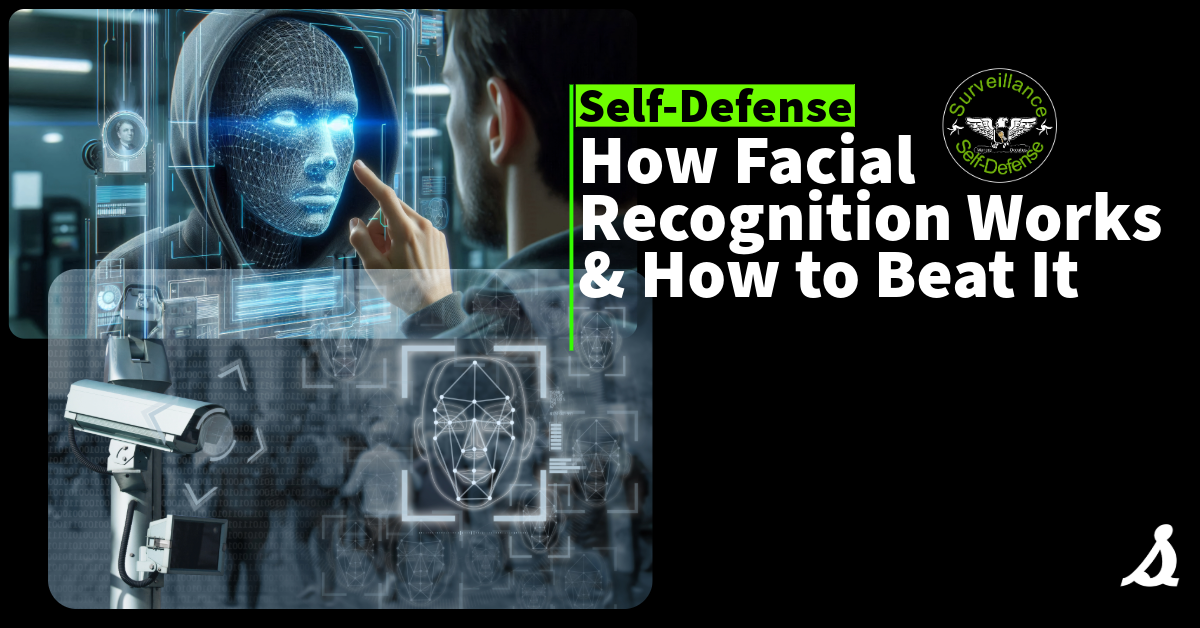
  • How Facial Recognition Works & How to Beat It

    How Facial Recognition Works & How to Beat It

    How Facial Recognition Works & How to Beat It

    Introduction

    Facial recognition technology has rapidly evolved, becoming a powerful tool for security, surveillance, and identity verification. Used by governments, corporations, and even personal devices, facial recognition can provide convenience but also raise concerns about privacy and misuse. As its adoption increases, understanding how it works and how to counteract it becomes essential for those who value their digital privacy.

    How Facial Recognition Works

    Facial recognition systems rely on artificial intelligence (AI) and machine learning (ML) to analyze facial features and match them against a database. The process typically involves several key steps:

    1. Image Capture – A camera captures an image or video frame of a person’s face.
    2. Face Detection – AI-powered software identifies and isolates faces from the background and other objects.
    3. Feature Extraction – The system maps facial landmarks such as the distance between the eyes, nose shape, and jawline.
    4. Data Conversion – The facial features are converted into a unique mathematical model or biometric template.
    5. Comparison & Matching – The template is compared against stored images in a database to find a match.
    6. Decision Making – If a match is found, the system grants access or identifies the person. If no match is found, access is denied or flagged for review.

    Facial recognition is widely used in areas such as:

    • Smartphones (Face ID for unlocking devices)
    • Security & Surveillance (Law enforcement tracking suspects)
    • Retail & Marketing (Customer behavior analysis)
    • Border Control & Airports (Automated passport verification)
    • Payment Systems (Facial authentication for digital transactions)

    The Risks & Concerns of Facial Recognition

    While facial recognition can enhance security and convenience, it also presents several risks:

    1. Privacy Invasion – Governments and corporations may track individuals without consent.
    2. False Positives & Bias – Some systems struggle with accuracy, particularly for non-white individuals, leading to wrongful identification.
    3. Mass Surveillance – Widespread use can lead to authoritarian-style monitoring of citizens.
    4. Data Breaches – Facial recognition databases can be hacked, exposing sensitive biometric data.
    5. Lack of Consent – Many facial recognition systems operate in public spaces without individuals’ knowledge or consent.

    How to Beat Facial Recognition

    If you are concerned about privacy, there are several ways to evade or disrupt facial recognition technology:

    1. Use Anti-Facial Recognition Clothing & Accessories

    • Face Masks & Sunglasses – Covering key facial features can confuse recognition algorithms.
    • Reflective or IR-blocking Glasses – Some eyewear is designed to obscure eyes, a crucial facial recognition point.
    • Adversarial Fashion – Clothing with patterns that disrupt AI detection (e.g., facial images printed on shirts to trick AI).

    2. Modify Facial Features

    • Makeup & Hairstyling – Irregular patterns of makeup, such as asymmetric designs, can interfere with facial recognition software.
    • Beards & Hair Coverings – Facial hair, hats, and scarves can obstruct landmark detection.

    3. Use Infrared (IR) Light & Lasers

    • IR LED Glasses or Hats – Infrared light can interfere with cameras that rely on visible light detection.
    • Handheld Laser Pointers – Can temporarily disrupt camera lenses (not legal in many areas).

    4. Avoid High-Risk Areas & Cameras

    • Recognize Surveillance Hotspots – Government buildings, airports, and high-security zones often have facial recognition.
    • Use Low-Tech Solutions – Simply looking down, wearing a hood, or changing walking routes can reduce exposure.

    5. Digital & Software-Based Countermeasures

    • Blur or Alter Photos Online – Limiting publicly available images reduces the chances of being added to recognition databases.
    • Use Privacy-Focused Tools – Some apps apply digital noise to prevent images from being processed by AI.
    • Deepfake & Face Swap Technologies – Some emerging tools can alter facial appearance in videos and images.

    Ethical & Legal Considerations

    While evading facial recognition can protect privacy, it is essential to understand the legal and ethical implications. Some actions, such as obstructing law enforcement cameras, may be illegal in certain jurisdictions. Governments and advocacy groups continue to debate the balance between security and privacy rights.

  • Deepfake Technology: Risks & How to Protect Yourself

    Deepfake Technology: Risks & How to Protect Yourself

    Introduction

    Deepfake technology, powered by artificial intelligence (AI) and deep learning, has revolutionized media manipulation. While it offers exciting possibilities for entertainment and content creation, it also raises significant ethical and security concerns. From misinformation campaigns to identity theft, deepfakes pose real-world risks. Understanding how they work and how to protect yourself is crucial in today’s digital age.

    How Deepfake Technology Works

    Deepfakes utilize AI algorithms, particularly Generative Adversarial Networks (GANs), to create highly realistic synthetic media. The process generally involves:

    1. Data Collection – AI gathers images, videos, or audio samples of a target person.
    2. Training the Model – The AI learns facial movements, speech patterns, and other unique characteristics.
    3. Face Mapping & Synthesis – The AI overlays or completely replaces a person’s face or voice in a video.
    4. Post-Processing – Refinements, such as lighting adjustments and noise reduction, enhance realism.
    5. Deployment – The final deepfake is shared on social media, news platforms, or used for deceptive purposes.

    The Risks of Deepfake Technology

    Although deepfakes can be used for harmless applications such as filmmaking and satire, they also present serious risks:

    1. Misinformation & Fake News

    • Deepfakes can be used to create false narratives, influencing political events and public opinion.
    • Fake videos of world leaders or celebrities can spread rapidly, leading to misinformation.

    2. Identity Theft & Fraud

    • Cybercriminals can use deepfakes to impersonate individuals, gaining access to financial accounts or conducting scams.
    • Fake videos or voice recordings can be used to manipulate business executives (a technique known as voice phishing or vishing).

    3. Reputation Damage & Blackmail

    • Malicious actors can create compromising or explicit deepfake videos to ruin reputations.
    • Fake content can be used for blackmail, coercion, or harassment.

    4. Security Threats & National Risks

    • Deepfakes can be used to impersonate officials, disrupt security operations, or create diplomatic conflicts.
    • Criminal organizations and terrorists may leverage deepfakes for deception and propaganda.

    How to Protect Yourself from Deepfake Threats

    While deepfake technology is advancing rapidly, there are ways to safeguard yourself against its misuse:

    1. Verify Sources & Fact-Check

    • Cross-check information with reliable sources before believing or sharing media content.
    • Use deepfake detection tools such as Deepware Scanner and Microsoft’s Video Authenticator.

    2. Be Cautious with Personal Media Online

    • Avoid posting high-quality videos or images of yourself that can be used for deepfake training.
    • Be mindful of oversharing personal data on public platforms.

    3. Use AI Detection Tools

    • Some AI-powered tools can analyze inconsistencies in video artifacts, lip synchronization, and shadows to detect deepfakes.
    • Companies like Sensity AI and Truepic provide deepfake detection services.

    4. Strengthen Online Security

    • Enable multi-factor authentication (MFA) on financial and social media accounts to prevent unauthorized access.
    • Use encrypted communication platforms to prevent voice cloning attempts.

    5. Educate Yourself & Others

    • Stay informed about new deepfake trends and threats.
    • Educate friends and colleagues on how to recognize deepfake content and report suspicious material.

    The Future of Deepfakes & Ethical Considerations

    As deepfake technology continues to evolve, ethical debates around its regulation and control intensify. Governments and tech companies are developing policies and detection tools to combat its malicious use. However, digital literacy and personal awareness remain the best defenses against deepfake manipulation.

    Conclusion

    Deepfakes are a double-edged sword, offering both creative opportunities and significant security threats. By understanding how they work and taking proactive measures, individuals can protect themselves from being misled or exploited. In an era where seeing is no longer believing, vigilance and digital skepticism are more important than ever.

  • OSINT: How Public Data Is Used to Monitor Everyone

    What Is OSINT? The Untold Story of Public Surveillance, Digital Profiling, and threat intelligence.

    OSINT Theschicht

    TL;DR

    Open-Source Intelligence (OSINT) refers to the data collection, gathering information, collection, and analysis of publicly accessible data. OSINT involves analyzing publicly available data sources to produce actionable intelligence. Originally employed by state intelligence services, OSINT is now commonly used by private companies, journalists, cybercriminals, and law enforcement agencies worldwide. The term OSINT was originally used by the military and intelligence community. Its ethical boundaries remain under debate, even as its use expands unchecked. As OSINT use expands, analyzing publicly accessible information from sources like social media, news outlets, and public records has become increasingly important for identifying trends and threats. Defining specific goals is critical before undertaking OSINT activity to ensure effective data collection and avoid unnecessary complications, as gathering intelligence from diverse open sources is a key part of the OSINT process. Experts recommend developing a clear strategy for OSINT data collection to avoid information overload.

    OSINT: Defined by Simplicity, Powered by Ubiquity

    The term OSINT refers to data collected from publicly available data and public sources—social media, search engines, public records, satellite imagery, government reports, leaked databases, and even GitHub repositories. Open source data includes any information that is readily available to the public or can be made available by request. Search engines such as Google, Bing, and Yahoo are valuable tools for gathering OSINT, enabling users to locate and analyze vast amounts of information efficiently. The OSINT collection process can be divided into passive and active strategies. Passive collection involves gathering information without engaging with the target.

    According to NATO’s Open Source Intelligence Handbook (PDF), OSINT is considered a vital discipline in modern intelligence, often complementing signals intelligence (SIGINT), imagery intelligence (IMINT), and human intelligence (HUMINT).

    There is no hacking involved. Just actionable intelligence from data—left publicly visible, often voluntarily.

    OSINT plays a crucial role within the intelligence context in the broader intelligence gathering context, supporting national security and strategic decision-making.

    Common OSINT Tools and Techniques

    A range of software and tactics have emerged to automate and expand OSINT capabilities using open source intelligence techniques. Open source intelligence tools are designed to assist in gathering, analyzing, and processing publicly available information for security and intelligence purposes. Automated data collection and analysis tools streamline the OSINT process. After selecting the appropriate tools, using an OSINT framework helps organize and streamline the collection and analysis process, allowing cybersecurity professionals to efficiently manage and correlate large amounts of data. Data analysis tools such as Excel, Tableau, and R are valuable for analyzing large datasets in OSINT, helping to uncover patterns and actionable insights. Increasingly, artificial intelligence and machine learning are integrated into these tools to automate data collection, pattern recognition, and threat detection, improving the speed and accuracy of security insights.

    • Google Dorks: Google DorksUses advanced search operators to refine searches and uncover hidden information such as exposed credentials, internal documents, and admin panels. These have been catalogued in public hacking wikis. Google dork queries use specific search operators that narrow down search results.
    • Shodan: Often called “the search engine for hackers,” this OSINT tool indexes exposed devices, webcams, and even infrastructure like wind turbines.
    • Maltego: A graph-based OSINT tool for mapping social relationships, domain ownership, and email metadata.
    • Spiderfoot: Spiderfoot illustration
    • This OSINT tool automates deep reconnaissance by integrating with multiple data sources to collect comprehensive information, including technical details such as IP addresses, breaches, and third-party APIs.
    • ExifTool: An OSINT tool that extracts metadata from photos, including GPS coordinates, device info, and timestamps. Tools like Spiderfoot and Maltego are commonly used to gather OSINT, offering robust capabilities for data collection and visualization.

    One of the main challenges in OSINT is the sheer volume of data generated from countless sources, which can overwhelm analysts and make it difficult to extract key insights efficiently.

    These OSINT tools are used by cybersecurity professionals and penetration testers, but also by stalkers, hostile actors, and on social media networks by repressive regimes.

    How Intelligence Agencies Use OSINT

    Most intelligence agencies have OSINT units, and the intelligence community relies on OSINT as a crucial part of its broader intelligence collection efforts. The CIA, NSA, GCHQ, and FSB have admitted to collecting open-source information at scale. For example:

    • The U.S. Open Source Enterprise (OSE), previously known as the Foreign Broadcast Information Service, focuses on monitoring foreign news and public data.
    • Documents leaked by Edward Snowden revealed that NSA analysts used OSINT to supplement SIGINT operations (source)). OSINT is integrated into the intelligence cycle, which includes collection, processing, analysis, and dissemination, ensuring that intelligence collection is systematic and actionable.
    • The UK’s GCHQ ran programs like “SOCIALNET,” designed to map social connections and online behavior using open data.

    Some contractors, like Palantir Technologies, have assisted in this work, offering threat intelligence platforms capable of merging public and private datasets to build predictive behavioral models.

    The Corporate and Political Exploitation of OSINT

    The Corporate and Political Exploitation of OSINT - TheSchicht

    Beyond intelligence agencies, private corporations have adopted OSINT practices for active collection: Organizations utilize OSINT for various purposes such as risk management, competitive analysis, and regulatory compliance.

    • Hiring and employee vetting
    • Brand monitoring and PR risk management
    • Market research
    • Competitor analysis

    Corporations use OSINT to filter and analyze relevant information from publicly available sources, supporting strategic decision-making and identifying high-value data points. By analyzing public data, organizations generate actionable intelligence that informs both business and political strategies.

    Political consulting firms, including the now-infamous Cambridge Analytica, used Facebook data scraped under public permissions to model voter behavior and psychological profiles (source). Secondary data can be derived from such primary open source information, like social media content and file metadata, to gain additional insights.

    In authoritarian states, OSINT has been deployed for:

    • Identifying dissenters from protest photos
    • Monitoring journalists and NGOs
    • Coordinating digital repression

    Data Breaches and Leak Archives as OSINT Sources

    Once a data breach occurs, the leaked data is often reposted, mirrored, and sold—making it permanent. OSINT investigators routinely pull from public records such as court documents, property records, and business filings, which are valuable sources of information for building comprehensive intelligence.

    • Pastebin-style sites
    • Darknet forums
    • Dark web sources, which include censored content, cybercrime forums, and hidden services
    • Public breach databases (e.g., HaveIBeenPwned)
    Data Breaches as OSINT sources

    The data gathered from these sources is often unprocessed raw data that requires further analysis to become meaningful intelligence. Collected data from breaches is used to link accounts and identify security risks.

    Leaks such as the Collection #1 dataset contained over 773 million email addresses, publicly indexed by search engines at one point (source).

    Facial Recognition, Geolocation, and EXIF Mining

    Photographs provide critical OSINT data for academic research :

    • Metadata such as EXIF (Exchangeable Image File Format) contains GPS coordinates and camera models. Images and metadata can be sourced from web pages and social media accounts.
    • Shadows, timestamps, and architecture can be used to identify specific cities or time zones (see Cambridge case study).
    • Reverse image search services like Yandex, Google, and TinEye allow tracing of images to original or similar sources, and social media platforms are often used to trace image origins.
    Facial Recognition, Geolocation, and EXIF Mining - TheSchicht

    An emerging field—geo-intelligence OSINT (GEOINT OSINT)—relies entirely on satellite imagery and photo verification to track troop movements, disaster responses, and even covert military operations (see Bellingcat). Academic papers are also valuable for verifying geolocation and image analysis techniques.

    The Legal and Ethical Gray Zone

    Because OSINT relies on public information, its legality is generally protected, but issues such as threat detection arise. However, its ethical application remains controversial: OSINT can expose private data and sensitive data, raising significant ethical concerns. Practitioners must ensure that OSINT is used for legitimate purposes only, maintaining a balance between utility and respect for individual rights. Ethical usage of OSINT requires practitioners to ensure their actions do not exploit, harass, ostracize or harm others. Establishing collaboration between stakeholders can help mitigate ethical and legal concerns in OSINT practices.

    • Doxxing attacks often begin with OSINT techniques.
    • Journalists and whistleblowers are tracked by repressive states using OSINT.
    • Employers and governments use it to screen individuals without their knowledge.

    Sensitive information discovered through OSINT can be exploited for malicious purposes, such as social engineering or targeted attacks. The exposure or misuse of public information can introduce security risks and potential security threats to organizations and individuals.

    Laws like the General Data Protection Regulation (GDPR) in Europe and California Consumer Privacy Act (CCPA) attempt to regulate the flow of public data, but enforcement is inconsistent. The GDPR and other privacy regulations cover most organizations, aiming to ensure that personal data is handled responsibly and transparently.

    Furthermore, the lack of transparency around corporate surveillance tools (like Clearview AI) has sparked global concern (source).

    The Rise of OSINT-for-Hire

    A new market has emerged for OSINT freelancers and private firms offering to gather data, gather information, and gather intelligence on individuals and organizations through:

    • Deep web scans
    • Background reports
    • Online reputation audits
    • Surveillance as a service (SaaS)

    Some services advertise being able to “reveal everything” about a subject—including dating app accounts, financial traces, and deleted content archives.

    The line between private investigation and intelligence operation continues to blur.

    Countermeasures: Reducing the OSINT Surface

    While nothing is foolproof, individuals and organizations have adopted several practices to reduce exposure and identify vulnerabilities, including security vulnerabilities in their digital footprint. Security teams use OSINT to track indicators of data breaches and phishing pages. OSINT can also help identify infiltrations, credential harvesting, and advanced threats including ransomware, making it a critical tool in proactive cybersecurity measures. Ethical hackers use OSINT techniques to find vulnerabilities before malicious actors can exploit them. Real-time scanning of open sources allows for identifying potential security threats.

    • Avoid username reuse across platforms.
    • Remove or anonymize metadata before uploading images.
    • Limit personal data on domain WHOIS records (use privacy guards).
    • Use privacy-first tools like SimpleLogin or Firefox Relay for alias emails.
    • Set social media to private and audit past content regularly.

    Security professionals and security teams are responsible for monitoring and mitigating these risks. A security team should regularly audit and update security measures to ensure ongoing protection.

    That said, once data has been published—even briefly—it can be cached, archived, or scraped, often without recourse.

    Conclusion

    OSINT turns the internet into a map of human activity, often leveraging machine learning techniques . It requires no warrant, no malware, and no insider access. Intelligence agencies, corporations, journalists, and authoritarian states have recognized its value and are expanding their capabilities accordingly.

    Unlike other forms of surveillance, OSINT often goes unnoticed—precisely because it uses what was given away freely.

    In a world where public data equals power, information becomes the most exploited asset—and everyone is already exposed.

    FAQs

    What does OSINT stand for?

    OSINT stands for Open-Source Intelligence. It refers to the collection and analysis of data from publicly accessible sources, such as websites, social media, and leaked databases. The information is often used by law enforcement, intelligence agencies, journalists, and even cybercriminals.

    Is OSINT legal?

    Yes, OSINT is generally legal because it gathers information that is already publicly available, including the use of natural language processing . However, ethical and privacy concerns do arise—especially when this data is used to harass, profile, or target individuals without consent. Laws like the GDPR in the EU may regulate how such data can be processed, but enforcement remains patchy.


    How is OSINT different from hacking?

    OSINT does not require breaking into systems or bypassing security controls. Hacking involves unauthorized access, while OSINT focuses only on data that has been publicly posted or leaked. However, OSINT can be used to inform or guide future attacks, making it a first step in the cyber kill chain.

    Who uses OSINT?

    OSINT is used by many sectors, and open source intelligence falls within broader intelligence strategies :

    • Governments and intelligence agencies (e.g., NSA, FSB, GCHQ)
    • Law enforcement for investigations and profiling
    • Cybersecurity professionals during penetration testing or threat analysis
    • Journalists for investigations and source verification
    • Corporate analysts for market research or employee screening
    • Hackers and stalkers, unfortunately, also exploit OSINT

    Can OSINT find deleted or hidden content?

    In some cases, yes. OSINT tools often tap into cached pages, archive services like the Wayback Machine, or scraped data stored elsewhere. Once something has been made public, it may persist online even after deletion—sometimes indefinitely.

    Is OSINT dangerous?

    It can be. While it serves many positive functions, such as aiding humanitarian work or exposing corruption, OSINT has also been used for:

    • Doxxing and harassment
    • State surveillance of dissidents
    • Deepfake targeting and social engineering
    • Unethical corporate espionage

    In some authoritarian regimes, OSINT is a core component of digital repression tactics.

    What are some popular OSINT tools?

    Some well-known OSINT tools include:

    • Shodan – for finding exposed IoT and industrial devices
    • Maltego – for visualizing connections and metadata
    • Spiderfoot – for automating data discovery
    • ExifTool – for extracting metadata from images
    • Google Dorks – advanced search queries that reveal hidden pages

    These tools are used in both white-hat and black-hat scenarios, depending on the intent of the user.

    How can I protect myself from OSINT-based tracking?

    While full anonymity is difficult, some methods to reduce your OSINT footprint include:

    • Using pseudonyms and alias emails
    • Restricting social media privacy settings
    • Disabling metadata on uploads
    • Removing personal info from WHOIS records
    • Monitoring your own digital footprint using OSINT tools

    It’s often said that “what can be posted can be weaponized.” Treat your data accordingly.

  • How to Use Burner Phones & Anonymous SIM Cards

    How to Use Burner Phones & Anonymous SIM Cards

    In an age of constant digital surveillance, using burner phones and anonymous SIM cards can help maintain privacy and anonymity. Whether you’re concerned about data tracking, avoiding spam calls, or protecting sensitive communications, this guide will walk you through the proper use of burner phones and anonymous SIM cards.

    1. What is a Burner Phone?

    A burner phone is a cheap, prepaid mobile phone used temporarily and then discarded to avoid tracking. Unlike smartphones linked to personal data, burner phones offer anonymity and are ideal for short-term communication needs.

    Characteristics of a Burner Phone:

    • No personal identification required during purchase.
    • Often a basic phone with limited features (calls and texts only).
    • Can be easily disposed of or reset.

    2. What is an Anonymous SIM Card?

    An anonymous SIM card is a prepaid SIM that does not require personal information to activate. These are commonly sold in countries with minimal registration requirements.

    Features of Anonymous SIM Cards:

    • No need for ID verification in certain regions.
    • Can be topped up with cash or cryptocurrency for added anonymity.
    • Often used in burner phones for enhanced security.

    3. How to Use a Burner Phone Securely

    a) Buying a Burner Phone

    • Purchase from a physical store (not online) using cash to avoid a digital trail.
    • Avoid using loyalty cards or personal accounts during purchase.
    • Choose a basic, non-smartphone model for added security.

    b) Activating and Using a Burner Phone

    • Use a public or borrowed Wi-Fi network if activation requires an internet connection.
    • Never link the burner phone to your primary phone, email, or any identifiable accounts.
    • Use it only for its intended purpose and avoid unnecessary calls or texts.

    c) Disposing of a Burner Phone

    • Perform a factory reset before discarding.
    • Break or destroy the SIM card to prevent forensic recovery.
    • Dispose of the phone in a public trash bin far from your location.

    4. How to Get and Use an Anonymous SIM Card

    a) Purchasing an Anonymous SIM

    • Buy from vendors in countries that don’t require ID verification.
    • Use cash or cryptocurrency to maintain anonymity.
    • Avoid purchasing from locations near your home or workplace.

    b) Using the SIM Card Securely

    • Never insert an anonymous SIM into your personal phone.
    • Use it in a dedicated burner phone only.
    • Turn off GPS and avoid connecting to Wi-Fi networks linked to your identity.
    • When making calls, prefer locations without CCTV surveillance.

    5. Extra Security Measures

    • Use a VPN: When using mobile data, a VPN prevents tracking of your IP address.
    • Avoid Reusing Burner Phones: Using the same burner phone for multiple SIM cards increases the risk of being tracked.
    • Disable Location Services: Keep GPS off and remove the battery when not in use (if possible).
    • Limit Usage: Use burner phones and SIM cards only when necessary to minimize exposure.

    Conclusion

    Using burner phones and anonymous SIM cards can greatly enhance your privacy, but proper handling is crucial. Always take precautions to avoid linking them to your real identity. Whether for personal security, business, or travel, adopting these best practices will help you maintain your anonymity effectively.

  • Using Bitcoin Anonymously: A Privacy Guide

    Using Bitcoin Anonymously: A Privacy Guide

    Introduction

    Bitcoin is often perceived as anonymous, but in reality, it is pseudonymous—every transaction is recorded on the public blockchain, allowing anyone to trace payments back to wallet addresses. If you value financial privacy, you must take additional steps to use Bitcoin anonymously. This guide will walk you through various techniques to enhance your Bitcoin privacy.


    1. Understanding Bitcoin’s Privacy Risks

    Before diving into solutions, it’s important to know why Bitcoin isn’t inherently private:

    • Public Ledger: All transactions are permanently stored on the blockchain.
    • Address Reuse: Using the same Bitcoin address multiple times makes it easy to link transactions.
    • KYC Exchanges: Many exchanges require personal identification, linking your identity to your Bitcoin holdings.
    • IP Tracking: Bitcoin nodes and wallet software may expose your IP address when broadcasting transactions.

    To stay anonymous, you must break the link between your real-world identity and your Bitcoin transactions.


    2. Acquiring Bitcoin Anonymously

    a) Peer-to-Peer (P2P) Marketplaces

    P2P platforms allow users to buy Bitcoin without KYC verification:

    • Bisq – A decentralized exchange with no central authority.
    • Hodl Hodl – A non-custodial Bitcoin trading platform.
    • LocalMonero – Ideal for privacy-conscious Monero users.

    Best Practices:

    • Use cash-in-person or privacy-friendly payment methods (e.g., gift cards, cash deposits).
    • Avoid linking personal bank accounts to transactions.

    b) Bitcoin ATMs

    Bitcoin ATMs allow you to buy BTC with cash. However, some machines require phone verification.

    • How to Stay Anonymous:
      • Find ATMs that don’t require ID (use sites like CoinATMRadar).
      • Wear a face mask and avoid using traceable phone numbers.

    3. Using Privacy-Centric Wallets

    Some Bitcoin wallets offer enhanced privacy features:

    • Samourai Wallet (Android) – Supports coin mixing and Tor integration.
    • Wasabi Wallet (Desktop) – Implements CoinJoin for anonymous transactions.
    • Sparrow Wallet – Advanced privacy tools for power users.
    • Electrum (with Tor) – A lightweight wallet that can route transactions via Tor.

    Essential Steps:

    • Always generate new addresses for each transaction.
    • Disable SPV mode (which leaks data to random nodes).
    • Enable Tor or connect via a VPN for additional privacy.

    4. Enhancing Privacy with Coin Mixing (CoinJoin)

    CoinJoin is a method that combines multiple Bitcoin transactions into one, making it harder to trace individual payments.

    Recommended CoinJoin Services:

    • Wasabi Wallet – Built-in CoinJoin functionality.
    • Samourai Wallet’s Whirlpool – Advanced mixing for mobile users.
    • JoinMarket – A decentralized CoinJoin implementation.

    How to Use CoinJoin:

    1. Send your Bitcoin to a CoinJoin-enabled wallet.
    2. Initiate the mixing process (this may take time to complete).
    3. Withdraw the mixed Bitcoin to a new wallet.

    Warning:

    • Some exchanges flag mixed coins, making it harder to withdraw or trade.
    • Avoid reusing addresses after mixing.

    5. Using Bitcoin Over the Tor Network

    Routing Bitcoin transactions over Tor hides your IP address, reducing exposure to surveillance.

    Steps to Use Bitcoin Over Tor:

    1. Download and install Tor Browser from torproject.org.
    2. Enable Tor in your wallet (Wasabi, Samourai, and Electrum support this feature).
    3. Use a Tor-only Bitcoin full node for added privacy.

    Limitations:

    • Some Bitcoin nodes reject Tor-based connections.
    • Tor can be slow and unreliable for real-time transactions.

    6. Paying with Bitcoin Privately

    To maintain anonymity while spending Bitcoin:

    • Use Monero (XMR) as an intermediary – Exchange BTC for XMR, then convert back to BTC.
    • Use Lightning Network – Off-chain transactions are harder to trace.
    • Buy gift cards with Bitcoin – Sites like Bitrefill allow you to purchase items without exposing your identity.

    7. Avoiding Blockchain Analysis & KYC Exchanges

    What to Avoid:

    • KYC exchanges (Binance, Coinbase, Kraken) – They track and store user data.
    • Address clustering – Avoid sending BTC from multiple addresses in the same transaction.
    • Using the same wallet for all transactions – Keep separate wallets for different purposes.

    How to Break Transaction Links:

    • Withdraw Bitcoin from exchanges to a fresh wallet before spending.
    • Use multiple CoinJoin rounds before making large transactions.
    • Avoid sending mixed and unmixed Bitcoin together.

    Conclusion

    Using Bitcoin anonymously requires careful transaction management, privacy-focused tools, and the right buying methods. The best approach involves a combination of Tor, CoinJoin, P2P transactions, and privacy wallets. Stay vigilant and continuously update your privacy practices to protect your financial sovereignty.

Social Media Auto Publish Powered By : XYZScripts.com